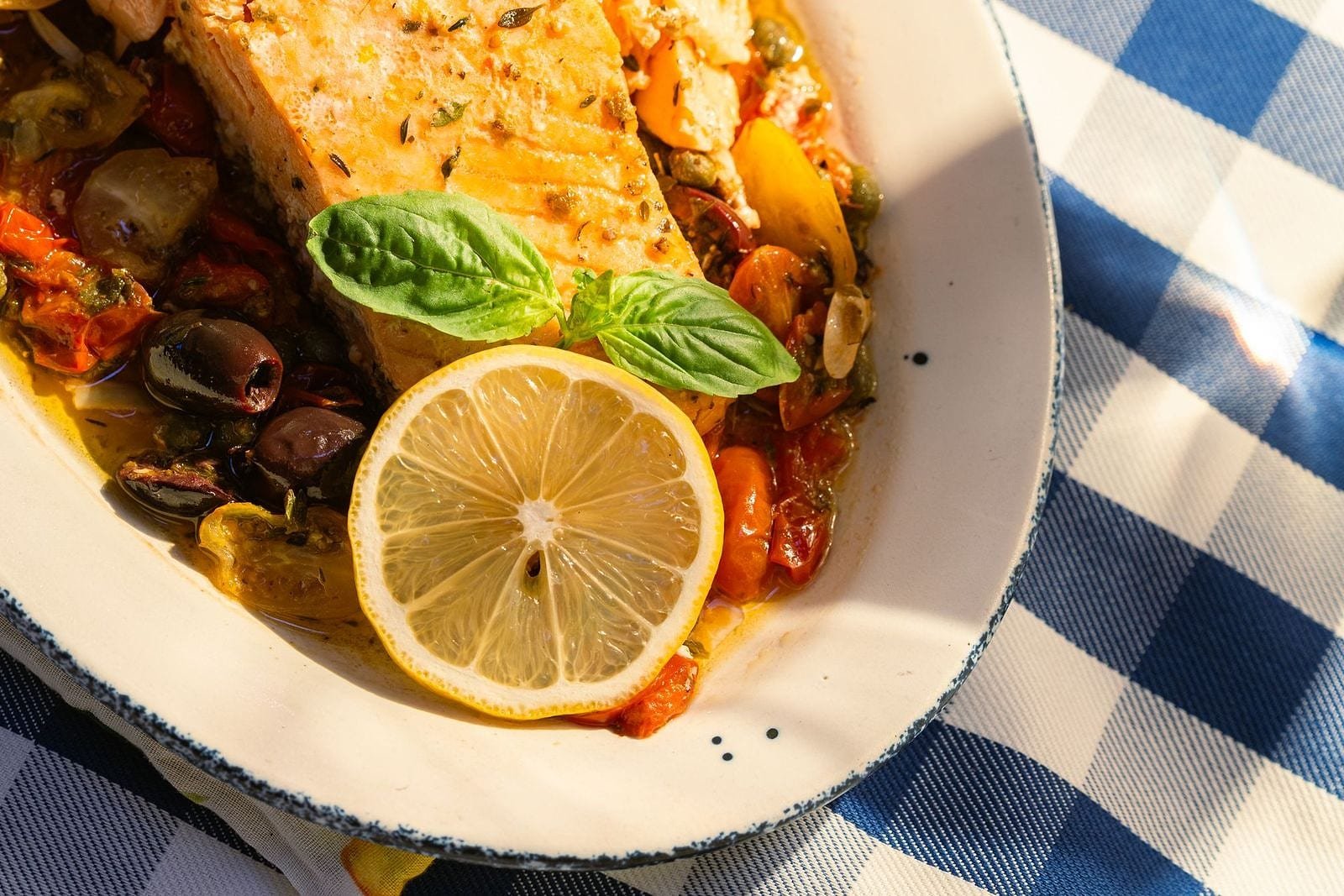
When you search for healthy dinner ideas, you often find recipes that are either too complex or lack flavor. This lemon herb salmon dish solves that problem by combining lean protein with vibrant vegetables in a single pan. It takes just 30 minutes from start to finish, making it perfect for busy weeknights. The salmon is baked until flaky and moist, while the asparagus and cherry tomatoes become tender and sweet. This meal provides a balanced mix of fats, proteins, and vegetables without feeling like a diet food. You will love how easy it is to prepare and how fresh it tastes. It is a go-to option for anyone looking for quick, nutritious meals that satisfy the whole family.
Why You'll Love This Lemon Herb Salmon: Healthy Dinner Ideas
This dish stands out because it requires minimal effort while delivering maximum flavor. The combination of lemon, dill, and thyme creates a bright, aromatic profile that cuts through the richness of the salmon. You do not need to spend hours marinating or prepping complicated sauces. Everything comes together in one baking sheet, which means less washing up and more time for the rest of your evening. The vegetables roast alongside the fish, absorbing the herbs and juices, so nothing goes to waste. It is a balanced meal that feels satisfying without being heavy. Many people find that they eat more vegetables when they are roasted with the main protein rather than served as a separate, potentially boring side. This method ensures every bite is seasoned and flavorful. It is ideal for those who want to eat well without spending all day in the kitchen. The result is a meal that looks impressive but is actually very simple to execute.
Ingredient Notes & Substitutions
What you need
-
4 filletssalmon, about 6 oz each
-
1 lbasparagus, trimmed and cut in half
-
1 cupcherry tomatoes, halved
-
1 tbspolive oil, divided
-
2 clovesgarlic, minced
-
1 tspdried dill, or 1 tbsp fresh chopped
-
1 tspdried thyme
-
1/2 tspsea salt
-
1/4 tspblack pepper
-
1lemon, zested and juiced
Salmon is the star here, but you can swap it for cod, halibut, or even shrimp if you prefer. Just adjust the cooking time; white fish may need 10-12 minutes, while shrimp only need 6-8. Asparagus is seasonal and affordable, but you can use green beans or broccoli florets instead. Cherry tomatoes add a burst of sweetness and acidity; if you cannot find them, use a cup of diced red bell pepper for color and crunch. The herbs are crucial for the flavor profile. If you do not have dried dill or thyme, fresh parsley and a squeeze of extra lemon juice can work, though the flavor will be milder. Olive oil is standard, but avocado oil is a great high-heat alternative if you want to increase your intake of monounsaturated fats. Lemon is non-negotiable for the brightness, but if you are out, a splash of white wine vinegar can provide a similar acidic kick. Make sure to use fresh garlic for the best aroma, as jarred minced garlic can sometimes taste metallic or overly pungent in this delicate dish.
How to Make Lemon Herb Salmon (Tips for Each Step): Healthy Dinner Ideas
Preheat your oven to 400°F (200°C).
Line a large baking sheet with parchment paper for easy cleanup.
Place the asparagus and cherry tomatoes in a single layer on one side of the pan.
In a small bowl, mix 1 teaspoon of olive oil, minced garlic, dried dill, dried thyme, salt, pepper, lemon zest, and 1 tablespoon of lemon juice.
Toss the vegetables with this marinade until evenly coated.
Pat the salmon fillets dry with paper towels and place them skin-side down on the other side of the pan.
Brush the remaining olive oil over the salmon and season lightly with a pinch of salt and pepper.
Bake in the preheated oven for 15 to 18 minutes, or until the salmon flakes easily with a fork.
Remove from the oven and drizzle the salmon with the remaining lemon juice before serving.
Tips for each step
Start by ensuring your oven is fully preheated. A cold oven leads to uneven cooking and can make the salmon dry. When preparing the vegetables, try to keep them in a single layer. Crowding the pan causes steaming instead of roasting, which prevents that desirable caramelization. The marinade should be mixed thoroughly to ensure the garlic and herbs are distributed evenly. When placing the salmon on the pan, leave some space between the fillets to allow for air circulation. This helps the skin (if left on) to crisp up and the top to cook evenly. Watch the salmon closely in the last few minutes. It is done when it flakes easily with a fork and the internal temperature reaches 125°F (52°C). Overcooking is the most common mistake, so err on the side of taking it out slightly early. The residual heat will continue to cook it as it rests. Finally, the lemon juice should be added after baking to preserve its fresh, zesty flavor rather than letting it cook down and lose its brightness.
What to Serve With Lemon Herb Salmon
Since this dish includes roasted vegetables, you might want a simple starch to soak up the juices. A small portion of wild rice or quinoa adds fiber and a nutty flavor that complements the herbs. Alternatively, a side of steamed cauliflower rice is a low-carb option that keeps the meal light. For a heartier feel, serve it over a bed of arugula or mixed greens with a simple vinaigrette. The acidity of the lemon in the dish pairs well with the peppery notes of arugula. If you are serving this to children, a small scoop of mashed sweet potato or plain white rice can be a comforting addition. Avoid heavy cream-based sauces, as they will overpower the delicate lemon and herb flavors. A simple salad with cucumber and feta cheese is another excellent pairing. The goal is to keep the sides light so the focus remains on the fresh, bright flavors of the salmon and roasted vegetables. This ensures the meal remains balanced and digestible.
Storage, Freezing & Meal Prep
Leftover salmon stores well in the refrigerator for up to 3 days. Keep it in an airtight container with the roasted vegetables. The flavors actually meld together overnight, making it taste even better the next day. When reheating, use the oven or toaster oven rather than the microwave to maintain the texture. Heat at 300°F (150°C) for about 10 minutes, or until warmed through. Do not freeze cooked salmon with the vegetables, as the vegetables become mushy upon thawing. If you want to meal prep, cook the salmon and vegetables separately. Store the salmon in one container and the vegetables in another. This way, you can reheat them to your preferred texture. You can also freeze raw salmon fillets in airtight packaging for up to 3 months. When ready to cook, thaw them in the refrigerator overnight and proceed with the recipe as written. This is a great way to stock your freezer with healthy protein portions for busy weeks ahead.
Tips for Success
The most common mistake is overcooking the salmon. Check it a few minutes before the recommended time. It should just start to flake in the center. Another tip is to pat the salmon dry before seasoning. Moisture on the surface prevents proper browning and can make the seasoning slide off. Do not skip the lemon zest. It provides a concentrated flavor that juice alone cannot match. If you are using fresh herbs instead of dried, add them in the last 5 minutes of cooking to prevent them from burning and turning bitter. Ensure your baking sheet is large enough to accommodate all the ingredients without crowding. If your pan is too small, split the ingredients into two pans or cook the vegetables first, then the salmon. Finally, taste the vegetables before serving. They may need a pinch of extra salt or a squeeze of lemon to balance the richness of the fish. These small adjustments make a big difference in the final presentation and taste.
Healthy Dinner Ideas: Lemon Herb Salmon
Discover this healthy dinner ideas recipe with lemon herb salmon. Ready in 30 minutes, it offers balanced nutrition and simple family-friendly flavor.
Ingredients
Instructions
- 1Preheat your oven to 400°F (200°C).
- 2Line a large baking sheet with parchment paper for easy cleanup.
- 3Place the asparagus and cherry tomatoes in a single layer on one side of the pan.
- 4In a small bowl, mix 1 teaspoon of olive oil, minced garlic, dried dill, dried thyme, salt, pepper, lemon zest, and 1 tablespoon of lemon juice.
- 5Toss the vegetables with this marinade until evenly coated.
- 6Pat the salmon fillets dry with paper towels and place them skin-side down on the other side of the pan.
- 7Brush the remaining olive oil over the salmon and season lightly with a pinch of salt and pepper.
- 8Bake in the preheated oven for 15 to 18 minutes, or until the salmon flakes easily with a fork.
- 9Remove from the oven and drizzle the salmon with the remaining lemon juice before serving.
- Salmon is done when it flakes easily with a fork and reaches an internal temperature of 125°F (52°C).
- You can substitute other white fish like cod or halibut, but adjust cooking time accordingly.
35g protein
12g carbs
22g fat
4g fiber
Storage: Refrigerate leftovers in an airtight container for up to 3 days. Reheat in the oven at 300°F (150°C) for 10 minutes. Do not freeze cooked salmon with vegetables as they become mushy.
More Recipes You'll Love
- Chicken Recipe Breast: 35-Minute Lemon Herb Pan
- Easy Chicken Recipe: 35-Minute Sheet Pan Dinner
- Chicken Casserole Recipe: Budget-Friendly Pantry Version
- Cozy Chicken Recipe With Rice
Frequently Asked Questions
Can I use frozen salmon for this recipe?
Yes, but you must thaw it in the refrigerator overnight. Increase the baking time by 3-5 minutes to ensure it cooks through evenly.
What if I don't have asparagus?
You can substitute green beans, broccoli florets, or zucchini slices. Adjust the cooking time slightly if using denser vegetables like broccoli.
Is this recipe gluten-free?
Yes, all the ingredients in this recipe are naturally gluten-free. Just ensure any additional sides you serve are also gluten-free.
How do I prevent the salmon from sticking?
Line your baking sheet with parchment paper or lightly grease it with olive oil. Patting the salmon dry before placing it on the pan also helps prevent sticking.
Leave a Reply